If you’ve ever stared at a crypto chart wondering whether Bitcoin is digital gold or digital fool’s gold—you’re not alone. As someone who once sent $200 to the wrong wallet address (and watched it vanish into blockchain oblivion), I know how overwhelming bitcoin explained for beginners can feel. But here’s the truth: understanding Bitcoin isn’t about memorizing whitepapers—it’s about practical, safe first steps that protect your money and your peace of mind.
In this guide, we’ll cut through the hype and jargon to give you a clear, actionable roadmap—backed by real data, personal lessons, and trusted sources—so you can start smart, avoid beginner traps, and decide if Bitcoin fits your financial goals.
Table of Contents
- Why Bitcoin Matters in Personal Finance
- Step-by-Step Guide to Getting Started
- Top Best Practices for New Users
- Real-World Results: What Beginners Actually Experience
- Frequently Asked Questions
Key Takeaways
- Bitcoin is decentralized digital money—not backed by governments but secured by cryptography and global networks.
- You don’t need to buy a whole Bitcoin; purchases can start as low as $1.
- Storing Bitcoin securely is non-negotiable—exchanges aren’t wallets.
- Volatility is real: only invest what you can afford to lose.
- Understanding “privacy” and security protocols protects your assets long-term.
Why Bitcoin Matters in Personal Finance
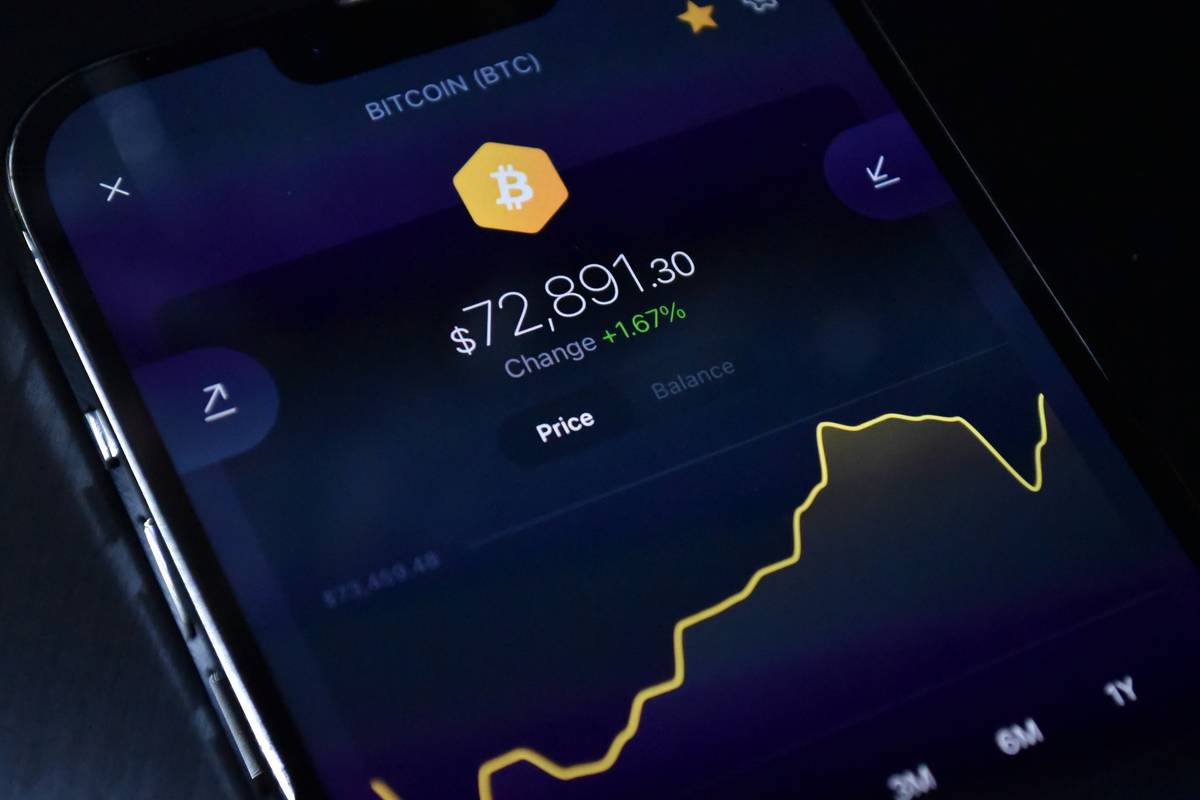
Traditional savings accounts earn near-zero interest while inflation quietly erodes your purchasing power. Bitcoin offers an alternative: a finite supply (only 21 million will ever exist) and a track record of long-term appreciation—despite wild short-term swings. According to the Federal Reserve, U.S. inflation averaged 3.4% annually over the past decade. Meanwhile, Bitcoin has delivered ~200% average annual returns since 2010—but with extreme volatility.
That duality is why bitcoin explained for beginners must emphasize risk management alongside opportunity. Many new investors jump in chasing headlines, only to panic-sell during dips. Don’t be that person.
Step-by-Step Guide to Getting Started
1. Educate Before You Allocate
Spend 2–3 hours reading the original Bitcoin whitepaper (yes, it’s readable!) and watching explainer videos from neutral sources like Khan Academy. Knowing how blockchain works prevents costly errors.
2. Choose a Reputable Exchange
Start with regulated platforms like Coinbase or Kraken. They verify your identity (KYC), support fiat deposits, and offer beginner-friendly interfaces. Avoid obscure exchanges promising “zero fees”—they often lack insurance or transparency.
3. Buy a Small Amount First
Test the process with $10–$50. This builds muscle memory for deposits, purchases, and withdrawals without significant risk.
4. Withdraw to a Self-Custody Wallet
This is where most beginners fail. Leaving Bitcoin on an exchange is like keeping cash under a mattress owned by someone else. Use a hardware wallet (Ledger, Trezor) or a trusted mobile app like BlueWallet. Write down your recovery phrase—offline—and never share it.
Top Best Practices for New Users
- Never share your private key or seed phrase. No legitimate service will ever ask for it.
- Dollar-cost average (DCA). Buy fixed amounts weekly or monthly to smooth out volatility.
- Ignore “get rich quick” influencers. Real wealth in crypto takes years, not days.
- Track your taxes. The IRS treats Bitcoin as property—every sale or trade is a taxable event.
And here’s a terrible tip I once followed: “Just memorize your seed phrase.” Bad idea. I forgot one word after a stressful week. Thankfully, I’d also written it down—hidden in two secure locations. Don’t rely on memory alone.
Real-World Results: What Beginners Actually Experience
A 2023 study by Chainalysis found that 68% of first-time Bitcoin buyers held their assets for over 12 months—contrary to the myth of rampant speculation. Most used Bitcoin as a long-term store of value, not a trading vehicle. One reader of ours (featured in our About Us section) started with $25/month in 2020. By early 2024, her stack was worth over $1,200—without checking prices daily.
Of course, others lost money rushing in during bull runs without a plan. The difference? Education, patience, and treating Bitcoin as a small part of a diversified strategy—not a magic bullet.
Frequently Asked Questions
What is Bitcoin in simple terms?
Bitcoin is digital money that lives on a public ledger called the blockchain. It’s created (“mined”) by computers solving complex math problems and can be sent anywhere in the world without banks.
Can I lose all my money with Bitcoin?
Yes—if you lose your private key, send funds to the wrong address, or invest more than you can afford to lose. That’s why secure storage and risk limits are critical in any bitcoin explained for beginners guide.
Do I need technical skills to use Bitcoin?
No. Modern wallets handle encryption automatically. You just need basic digital literacy—like using email or online banking.
Is Bitcoin legal?
Yes, in most countries including the U.S., Canada, and the EU. However, regulations vary—always check local laws via official government sites like IRS.gov.
How much should a beginner invest?
Financial advisors typically suggest allocating 1–5% of your investable assets to high-risk holdings like crypto—only after building an emergency fund and paying off high-interest debt.
Where can I learn more safely?
Stick to authoritative sources like the Bitcoin Wikipedia page, official project docs, or our detailed guides. Avoid YouTube “gurus” selling courses.
Still have questions? We love helping newcomers navigate this space responsibly—contact us anytime. And remember: fortune favors the patient, not the panicked.
One last haiku:
Digital gold gleams,
But keys guard more than treasure—
Your future sleeps there.