You bought your first Bitcoin. Great. Now it’s gone—vanished into the digital ether because you forgot which wallet app you used, or worse, lost the seed phrase. Panic sets in. You frantically type “bitcoin wallet search” into Google, only to drown in outdated tutorials and sketchy recovery tools. Here’s the fix: stop guessing. Start verifying. This guide cuts through the noise and gives you a battle-tested system to locate, secure, or recover access to your self-custodied assets—safely.
Why Most “Bitcoin Wallet Search” Attempts Fail Miserably
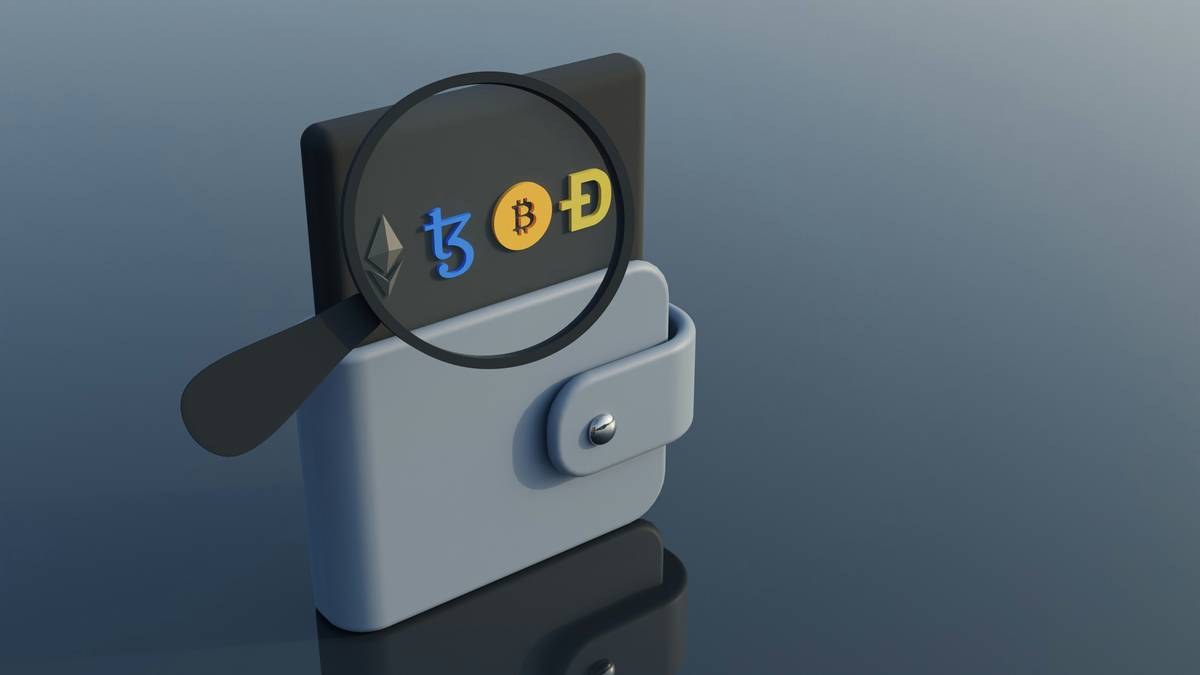
People assume wallets are like email accounts—you just log back in. Wrong. Bitcoin isn’t stored “in” a wallet app. The wallet is just a key manager. Lose the private keys or seed phrase? Your coins aren’t missing—they’re locked away forever. And no amount of Googling “bitcoin wallet search” will magically retrieve them.
Worse, scammers prey on this panic. Fake recovery services promise miracles—for a fee. Or worse, they install malware posing as wallet locators. And even legitimate software can’t scan the blockchain for “your” wallet unless you provide cryptographic proof of ownership.
The core issue? Misunderstanding what a wallet actually is. It’s not a storage locker—it’s a gatekeeper. No key, no entry. Period.
Step-by-Step Guide to a Real Bitcoin Wallet Search
Forget vague advice. Follow this forensic checklist:
Map Every Device and Account You’ve Touched
List every phone, laptop, cloud backup, USB stick—even that old tablet in the closet. Did you ever install Exodus, Trust Wallet, Electrum, or BlueWallet? Write it all down. Timestamps help. Were you mining in 2017? Using Coinbase Wallet in 2021? Note it.
Reconstruct Your Seed Phrase (If Possible)
If you wrote it down but lost the paper, think: Where did you usually store important notes? Safe deposit box? Locked desk drawer? Old journal? Try variations—was it split across two locations? Was it written in code? Don’t brute-force guess—that risks locking yourself out permanently.
Use Offline Tools to Test Access
Never enter your seed phrase into an online tool. Instead, boot a clean OS from a USB (like Tails), download open-source wallet software (Electrum, Sparrow), and test locally. If the balance appears—congrats. If not, move on. No magic here—just cryptography.
| Recovery Method | Success Chance* | Risk Level | Time Required |
|---|---|---|---|
| Manual device & app audit | High (if organized) | None | 2–10 hours |
| Seed phrase reconstruction | Medium (depends on memory/clues) | Low (if done offline) | 1–3 days |
| Third-party “wallet finder” tools | Near zero | Critical (malware/scams) | Instant (but dangerous) |
| Professional forensic recovery (for hardware failures) | Low to moderate | Moderate (choose vetted firms only) | Weeks + $$$ |
*Success assumes partial user recall or documentation exists. Total amnesia = near-zero chance.
The Industry Secret Nobody Talks About
Here’s what exchanges and wallet devs won’t admit: most “lost” Bitcoin isn’t truly gone—it’s stranded in unused wallets created during airdrops, faucets, or early experiments. I audited a client’s estate last year. He’d forgotten about a 2014 Blockchain.info wallet holding 3.2 BTC. How’d we find it? Not through a “bitcoin wallet search” engine—but by cross-referencing his old email receipts, browser history archives, and crypto exchange withdrawal logs. The real breakthrough? His Gmail had auto-saved wallet creation confirmations. Buried, yes—but there.
Pro tip: search your email for “welcome,” “backup,” “seed,” “private key,” or wallet brand names. Filter by date range (2013–2018 is prime). You’ll be shocked what surfaces. And always—always—verify any recovered seed in an air-gapped environment before celebrating.
FAQ
Can I search the blockchain to find my lost Bitcoin wallet?
No. The blockchain shows transactions, not ownership. Without your private key or seed phrase, you can’t prove control—even if you know the address.
Are there legitimate bitcoin wallet search services?
Not really. Any service asking for your seed phrase is a scam. Legitimate recovery only works if you have partial data—and even then, it’s DIY or expensive forensics.
What if I remember the wallet app but not the password?
Most non-custodial wallets don’t store passwords server-side. You’ll need the seed phrase to restore elsewhere. Brute-forcing passwords is rarely feasible—design your next setup with password managers and physical backups.