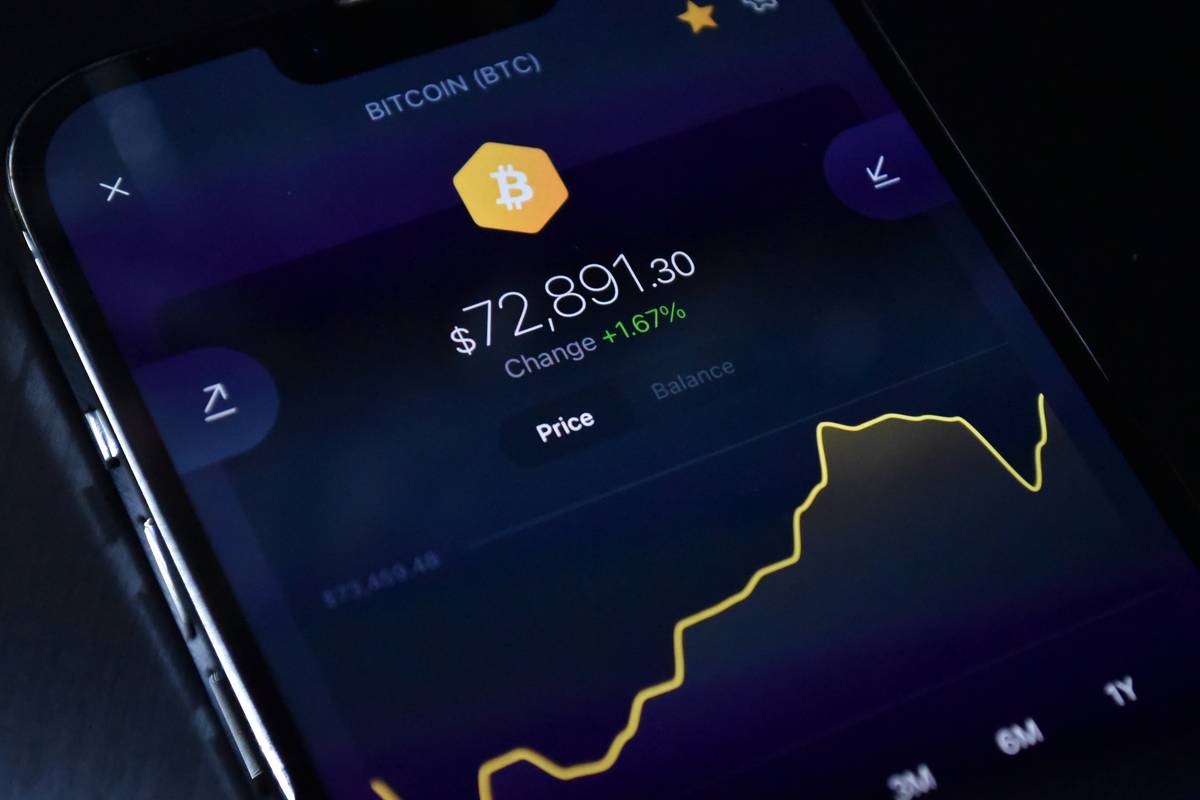
Lost your crypto because you picked the wrong wallet? You’re not alone. As someone who once wiped my private key off a sticky note during spring cleaning (yes, really), I’ve felt that gut-punch of irreversible loss. If you’re new to Bitcoin, choosing a secure, user-friendly storage solution isn’t just smart—it’s survival. This guide cuts through the noise with actionable steps, real-world insights, and hard-won lessons so your first Bitcoin stash stays safe, accessible, and truly yours.
Table of Contents
- Why Your Bitcoin Wallet Finder Choice Shapes Your Financial Future
- Step-by-Step Guide to Finding the Right Wallet
- 5 Best Practices for Secure & Stress-Free Storage
- Real Users, Real Results: What Works (and What Doesn’t)
- Frequently Asked Questions
Key Takeaways
- Not all “bitcoin wallet finder” tools are trustworthy—many collect user data or push affiliate-heavy recommendations.
- Hardware wallets offer the highest security for long-term holdings; mobile/desktop wallets suit active traders.
- Your private key = your Bitcoin. Never share it, screenshot it, or store it unencrypted in the cloud.
- Always test wallet recovery with a small amount before moving significant funds.
Why Your Bitcoin Wallet Finder Choice Shapes Your Financial Future
In personal finance, control equals security. Unlike bank accounts insured by the FDIC, Bitcoin stored in a compromised or poorly chosen wallet is gone forever—no customer service line, no chargebacks. According to Chainalysis, over $3.8 billion in crypto was stolen in 2022 alone, much of it from user error or insecure wallet choices (Chainalysis, 2023). That’s where a reliable bitcoin wallet finder becomes your financial gatekeeper.
Step-by-Step Guide to Finding the Right Wallet
1. Determine Your Use Case
Are you holding Bitcoin long-term (“HODLing”) or actively trading? Long-term holders should prioritize cold storage (offline); traders may prefer hot wallets (online) for speed—but never keep large sums in hot wallets.
2. Evaluate Security Features
Look for open-source code (auditable by experts), multi-signature support, and PIN/biometric locks. Avoid wallets that don’t let you control your private keys—those aren’t real Bitcoin wallets; they’re custodial accounts masquerading as wallets.
3. Cross-Check with Trusted Directories
Use authoritative sources like the Bitcoin Wiki’s official wallet list, which vets options based on security, transparency, and user control—not affiliate payouts.
4. Test Recovery Process
Before funding your wallet, write down the seed phrase, delete the app, and restore it. If you can’t recover your test coins, walk away.
5 Best Practices for Secure & Stress-Free Storage
- Never trust cloud backups: iCloud, Google Drive, or email screenshots of your seed phrase invite disaster. Store it offline—in a fireproof safe or engraved on steel.
- Avoid “free” wallet finders: Many sketchy sites harvest device info or push malware-laced apps. Stick to community-vetted resources.
- Update regularly: Wallet software patches critical vulnerabilities. Enable auto-updates if available.
- Use a dedicated device: Keep your Bitcoin wallet on a phone or computer used only for crypto—no random web browsing or downloads.
- Verify receive addresses: Always double-check the first and last few characters when sending Bitcoin. One typo = permanent loss.
Real Users, Real Results: What Works (and What Doesn’t)
Sarah, a freelance designer from Austin, lost 0.5 BTC after using a wallet recommended by a random “bitcoin wallet finder” ad on social media. The app looked legit but secretly siphoned her seed phrase. She learned the hard way to only trust non-commercial, expert-reviewed tools. Conversely, Mark—a teacher saving for retirement—used the Bitcoin Wiki’s list to select a Ledger Nano S. He backed up his seed on a Billfodl steel plate and now sleeps soundly knowing his investment is air-gapped and hacker-proof. His advice? “Treat your seed phrase like a toothbrush: never share it, and change it if compromised.” (Spoiler: you can’t change it—so get it right the first time!)
Frequently Asked Questions
What’s the safest type of Bitcoin wallet for beginners?
Hardware wallets like Ledger or Trezor are safest for beginners storing meaningful amounts. They keep private keys offline, blocking remote hacks. For tiny amounts (<$100), reputable mobile wallets like BlueWallet or Trust Wallet offer a gentler learning curve.
Can I use a bitcoin wallet finder tool safely?
Only if it’s non-commercial and transparent. Avoid tools that require email sign-ups, show excessive ads, or lack clear sourcing. The Bitcoin Wiki remains the gold standard.
Is it okay to store my seed phrase in a password manager?
No. If your master password is breached or you lose access, your crypto vanishes. Physical, offline backups are irreplaceable.
What happens if I lose my wallet device?
If you have your seed phrase, you can restore your Bitcoin on any compatible wallet. Without it, your funds are permanently inaccessible—this underscores why a reliable bitcoin wallet finder must emphasize backup education.
Do I need different wallets for Bitcoin and other cryptos?
Many wallets support multiple assets (e.g., Exodus, Ledger), but verify compatibility first. Never assume a “multi-crypto” wallet supports Bitcoin securely—some cut corners on BTC implementation.
How often should I check my wallet’s security?
Review settings quarterly: update firmware, check for suspicious transactions, and re-verify backup integrity. Treat it like changing smoke detector batteries—annoying but essential.
Choosing the right storage isn’t glamorous, but it’s the bedrock of your crypto journey. Don’t gamble your hard-earned Bitcoin on guesswork or flashy ads. Use trusted resources, back up religiously, and remember: if it’s not in your wallet, it’s not yours. Ready to lock down your strategy? Contact us for a personalized security checklist. And if you’re curious about our ethos, peek at our About Us page—we’ve been in your shoes. (P.S. Always read the Privacy Policy before entering any personal details online.)
Your keys, your coins. Lose one, lose both.